The Best Marketplaces to Sell WordPress Themes and Plugins: A Comprehensive Guide

If you build WordPress themes or plugins, you have a lot of options when it comes to where and how to sell them online.
Choosing the right WordPress marketplace is crucial if you want to reach the right buyers, earn predictable revenue, and grow a sustainable product business.
WordPress powers around 43–44% of all websites on the internet, making it the most widely used website platform in the world.
There are also tens of thousands of themes and over 65,000 plugins available, which means your success depends not only on what you create, but where and how you sell it.
In this guide, you’ll discover the best marketplaces to sell WordPress themes and plugins, what each platform is best for, and how to choose the right mix of marketplaces for your business.
What Are the Requirements to Sell WordPress Themes and Plugins?
If you’re thinking of selling WordPress themes or plugins, there are a few things you should know first. For starters, you’ll need to have a pretty good understanding of how WordPress plugins work.
First, make sure you understand how WordPress itself works, including coding standards, security best practices, and compatibility with popular plugins and page builders. Your products should follow WordPress coding guidelines, be well‑documented, and work reliably across common hosting environments.
Second, research the market carefully. Look at which types of themes and plugins are selling well, what features buyers expect at specific price points, and how competitors position similar products.
Finally, ensure you’re ready to support and maintain your products. That means shipping regular updates, responding to support requests, and keeping your theme or plugin compatible with the latest WordPress core version.
This is important because over 60% of users typically run the latest major WordPress version, so outdated products quickly lose relevance.
What Are the Best Marketplaces to Sell WordPress Themes and Plugins?
There are many marketplaces to sell WordPress themes and plugins, but not all of them will match your products, pricing, or target audience. Below are some of the best WordPress marketplaces and platforms to consider as you build your sales strategy:
HasThemes
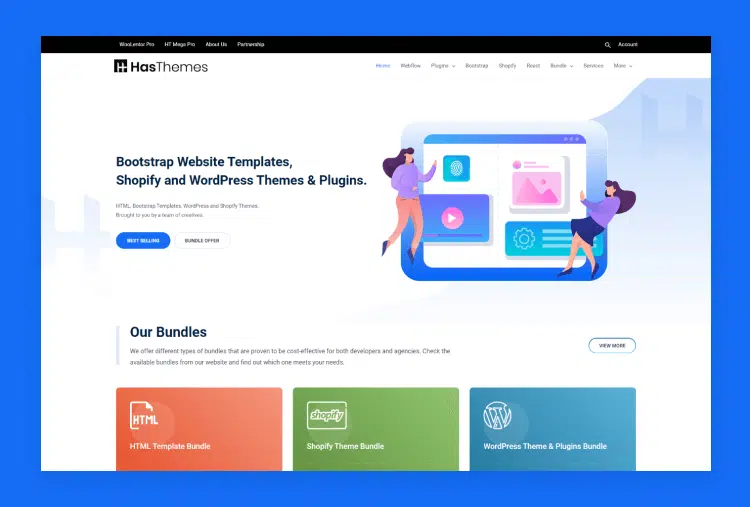
HasThemes offers a curated collection of WordPress themes, plugins, and website templates designed for individuals, agencies, and businesses that want practical, conversion‑focused solutions.
As a seller, you benefit from an audience that is already looking for WordPress products, which can lead to more targeted traffic and higher conversion rates than generic digital marketplaces.
HasThemes also places strong emphasis on customer experience and support, which increases buyer trust and can reduce your post‑purchase support workload.
If you create WordPress themes or plugins that solve real‑world problems and value a partner‑style approach rather than just a listing platform, HasThemes can be a strong option.
ThemeForest
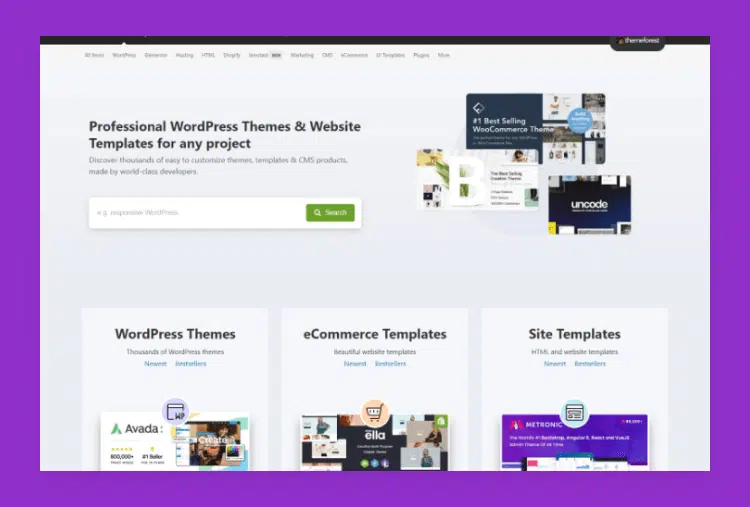
ThemeForest, part of the Envato ecosystem, is one of the largest and best‑known marketplaces to sell WordPress themes and site templates. It attracts a massive global audience of designers, developers, agencies, and business owners looking for ready‑made WordPress solutions.
On Envato Market, some of the top WordPress themes have surpassed hundreds of thousands of sales, with best‑sellers like Avada crossing over 1 million sales, which shows the revenue potential when a product fits the marketplace well.
However, ThemeForest has strict quality standards and intense competition, so your theme needs a polished design, clean code, and a clear niche to stand out.[
ThemeForest works best if you can invest in premium‑quality products, professional demos, and regular updates, and if you understand how to position your theme in a competitive catalog.
Envato Market
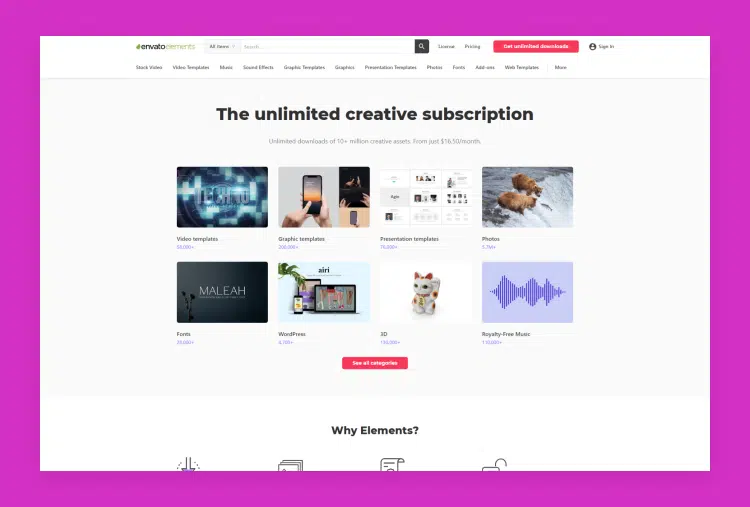
Envato Market is a broader digital marketplace that includes ThemeForest for themes and CodeCanyon for plugins, along with other asset categories. It’s a natural choice if you want to sell WordPress themes, plugins, and related digital products (like templates or design assets) under one author profile. Over time, Envato has shifted from prioritizing volume to placing more emphasis on quality and user experience.
That can make it harder for brand‑new authors to get accepted, but it also helps maintain stronger standards and buyer trust across the marketplace. Envato Market is a good fit if you want access to a huge built‑in audience and are willing to meet their quality, documentation, and support expectations.
Creative Market
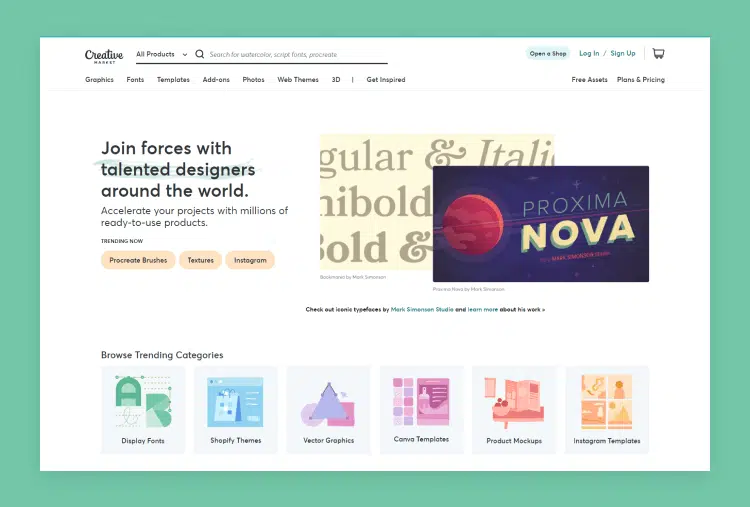
Creative Market is a popular marketplace for creatives, offering themes, templates, graphics, fonts, photos, and more. For WordPress developers, it’s especially attractive if your themes are visually strong and aimed at designers, agencies, and brand‑conscious business owners.
The platform gives you tools to manage your shop, track performance, and engage with customers, while typically allowing creators to keep a significant share of each sale. If your WordPress themes prioritize aesthetics and brand‑ready design, Creative Market can be a valuable additional channel alongside more technically focused WordPress marketplaces.
MOJO Marketplace
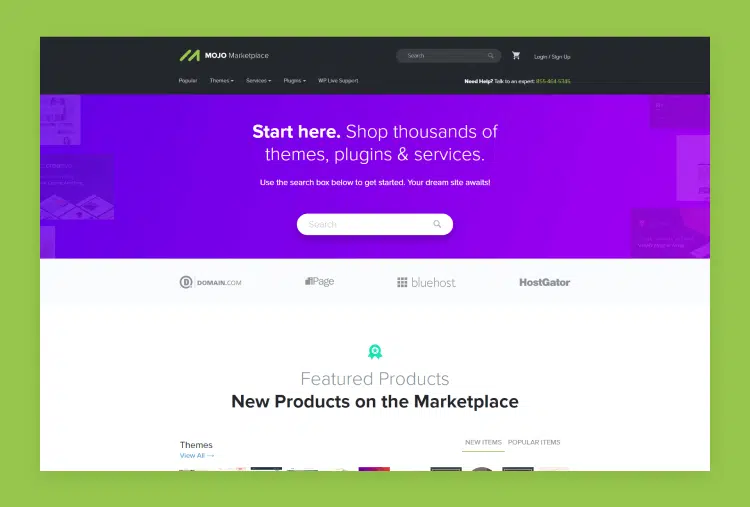
MOJO Marketplace is integrated with several major hosting providers, helping users discover WordPress themes and plugins directly from their hosting dashboards. This integration puts your products in front of beginners and small businesses who want a fast, simple way to set up a new WordPress site.
If your themes or plugins are beginner‑friendly and easy to install and configure, MOJO Marketplace can be a great place to reach customers who might not be browsing more developer‑centric marketplaces.
It’s particularly effective for straightforward themes, one‑click demos, and plugins that solve common website setup tasks.
TemplateMonster
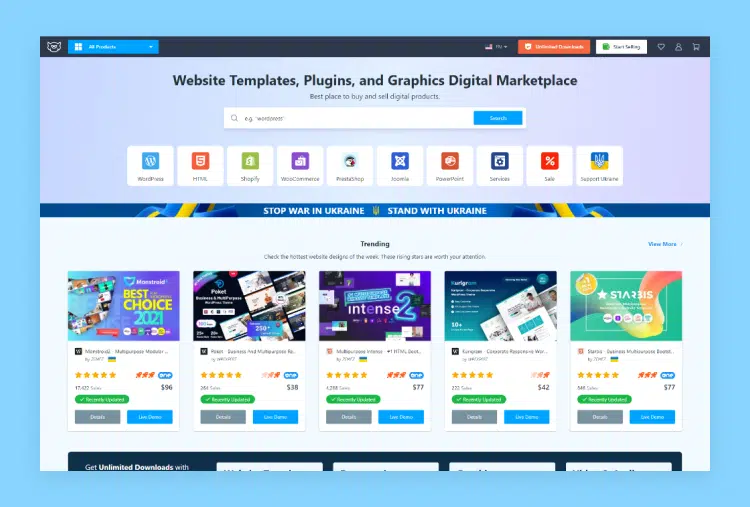
TemplateMonster is a long‑running marketplace that features a wide variety of WordPress themes and templates created by independent designers and agencies. This platform is known for its professional‑looking designs, broad category coverage, and promotional support for high‑performing products
TemplateMonster encourages fair competition and rewards high‑quality creators through better visibility and featured placements
If you can produce polished, well‑supported themes that appeal to a broad international audience, this WordPress marketplace can be a strong addition to your sales mix.
Overview of Key Marketplaces
The table below summarizes where each marketplace fits best so you can quickly compare your options.Marketplace Best for Audience & reach Key advantages Main considerations HasThemes Practical, conversion‑focused WP products Niche but highly targeted buyers Curated catalog, brand trust, strong customer support focus Check author program and listing process ThemeForest Premium, multipurpose or niche WP themes Very large, global audience Huge traffic, strong brand recognition, proven demand Strict review, heavy competition Envato Market Themes, plugins, and other digital assets Global creative & dev audience Ecosystem of buyers, cross‑selling opportunities Higher quality bar, detailed requirements Creative Market Design‑led WordPress themes and templates Design‑focused buyers Visual marketplace, strong appeal for branding projects Works best for highly visual theme designs MOJO Marketplace Beginner‑friendly WordPress themes & plugins Hosting‑integrated site owners Distribution via hosting dashboards, good for new site owners Audience skews toward beginners TemplateMonster Professional, polished WordPress themes Broad international user base Strong category coverage, promotion of top‑selling products Need competitive, well‑supported designs
How Do You Choose the Right Marketplace for Your Business?
Choosing the right marketplace for your business can feel like a daunting task. There are so many WordPress plugin options out there, and it’s hard to know which one is right for you. Here are a few things to keep in mind as you consider your options:
- Marketplace size and competition: Larger marketplaces offer more potential buyers but also more competing products, while smaller or niche platforms can make it easier to stand out.
- Audience fit: Check whether a marketplace’s audience matches your target customers: for example, agencies, small businesses, beginners, bloggers, or designers.
- Product type and positioning: Some marketplaces are better for multipurpose themes, while others focus on niche, design‑heavy, or technically advanced products.
- Reputation and support: Read reviews and community feedback to understand how each platform treats sellers and buyers, including how they handle disputes and refunds.
- Terms and conditions: Review licensing options, exclusivity rules, refund policies, and content guidelines before you commit to a marketplace, so you know exactly what you’re agreeing to.
The terms and conditions of the marketplace. Be sure to read the fine print before signing up for a marketplace account. Pay close attention to any restrictions on what you can sell, as well as any fees or charges that
Why Is It Important to Sell on Multiple Marketplaces?
Relying on a single WordPress marketplace can be risky, especially when algorithms, policies, or traffic patterns change. Selling on multiple marketplaces gives you more ways to reach customers and helps stabilize your revenue over time.
Different platforms attract different segments of the WordPress ecosystem, from beginners on hosting‑integrated marketplaces to agencies shopping on large global platforms. By listing your themes and plugins in more than one place, you can see where they perform best and avoid depending on a single source of sales.
Just make sure to check exclusivity rules and plan how you’ll handle updates and support across all the marketplaces you join. This will keep your workload manageable while you expand your reach.
How Do You Get Started with Selling WordPress Themes and Plugins?
If you’re looking to get started in the world of WordPress theme and plugin sales, there are a few things you’ll need to do.
- Build a focused portfolio: Start with one or a few high‑quality products that clearly show your strengths, whether that’s design, performance, niche functionality, or ease of use.
- Choose 1–2 starting marketplaces: Pick marketplaces that align with your target buyers and product type instead of trying to be everywhere at once. For example, you might launch on ThemeForest if you’re targeting a broad audience with a multipurpose theme, or HasThemes if your focus is practical business solutions.
- Optimize your product pages: Write clear, benefit‑driven descriptions, include detailed feature lists, add high‑quality screenshots, and provide honest documentation so buyers know exactly what they’re getting
- Collect feedback and iterate: Pay attention to reviews, support questions, and sales patterns, then use that feedback to improve your current products and plan your next releases.
Final Words
There are many excellent marketplaces to sell WordPress themes and plugins, but the best one for you depends on what you build, who you’re targeting, and how you prefer to work.
Start by listing your products on one or two platforms that closely match your audience and strengths, then gradually expand to additional marketplaces as you refine your products and learn where they perform best.
By combining high‑quality themes or plugins with the right WordPress marketplaces and a consistent marketing strategy, you can turn your development skills into a scalable, long‑term business