What is a Static Site Generator and Why Should You Use One?

Have you ever waited impatiently for a website to load and thought, “There’s got to be a faster way!” That’s exactly why static site generators (SSGs) are becoming the go-to solution for developers and business owners alike.
In fact, according to the 2025 State of JAMstack Report, over 65% of developers are now using JAMstack architecture, the backbone of modern static sites for faster, more secure websites.
Unlike traditional CMS platforms like WordPress or Drupal, which generate pages on the fly whenever someone visits, an SSG pre-builds your website into static HTML. This means your site loads instantly, costs less to host, and is far more secure against hackers. Sounds good, doesn’t it?
In this guide, we’ll dive into what a static site generator is, why developers are switching to them, and how you can use one to build a fast, secure, and SEO-friendly site. Plus, we’ll compare the most popular SSGs like Next.js, Gatsby, Jekyll, and Hugo, so you can find the perfect fit for your next project.
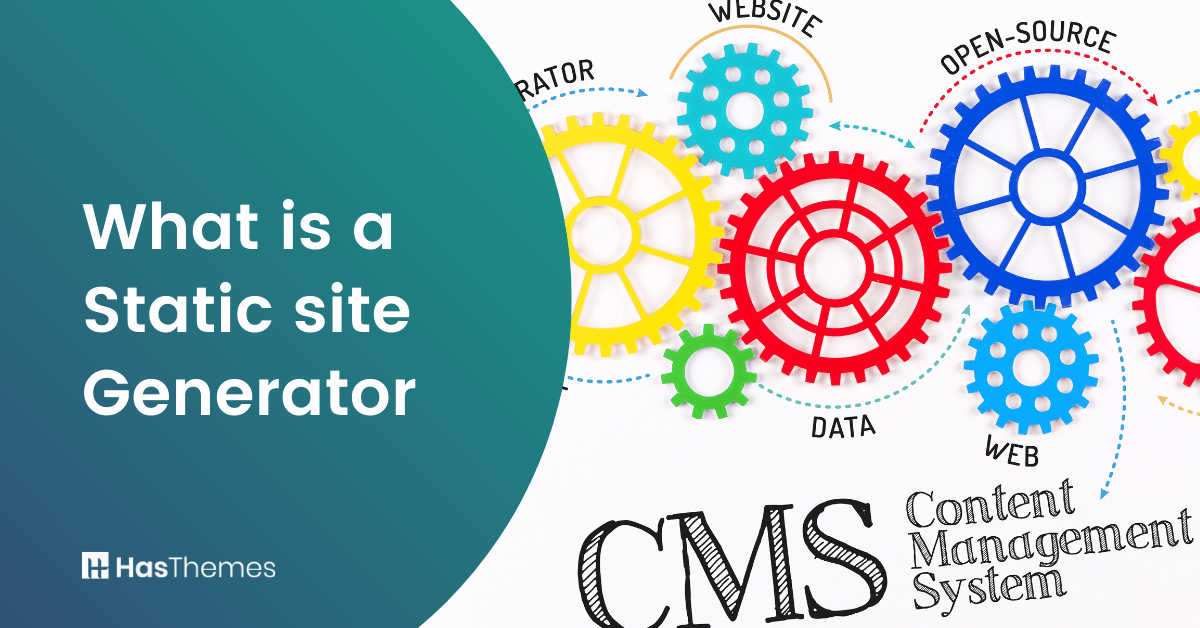
What is a Static Site Generator?
Static site generators are a popular option for websites.You might be wondering, “What exactly is a static site?” A website you build in WordPress, Drupal, Joomla, or another CMS requires server-side processing from PHP to create the web pages you see when you visit a website.
Simply put, a static site is a website where every page is pre-built and ready to go. Unlike traditional websites, which generate pages on the fly whenever someone visits, a static site already has all its pages created in advance. This means the browser can display them instantly, making your website faster, safer, and cheaper to host.
A static site generator (SSG) is the tool that makes this possible. It takes your content, like text, images, or simple files in formats such as Markdown, JSON, or YAML, and turns it into ready-to-use HTML pages. You don’t need complex server software running in the background, and there’s much less risk of your site being hacked.
If you’re new to this, don’t worry! Building a static website with an SSG is easier than it sounds. By following static site SEO best practices, you can also make sure your site ranks well in Google without relying on heavy plugins or complicated server setups.
Benefits of Using a Static Site Generator
- Lightning-Fast Performance: Static sites load almost instantly because the browser only requests pre-built HTML. With no database queries or PHP execution, page speed is dramatically improved.
- Enhanced Security: Without dynamic scripts or databases, static sites are far less vulnerable to hacks like SQL injection or XSS attacks.
- Cost-Effective Hosting: You can deploy your site on static site hosting free options like GitHub Pages, or use platforms like Netlify or Vercel. No expensive servers required.
- Easy Scaling: Static sites handle high traffic easily since files can be distributed globally via CDNs.
- Version Control and Collaboration: Integrates with Git, making updates, static site form handling, and content collaboration seamless.
- Flexible Design Options: Switch themes or templates easily using static-site-generators themes without affecting the entire site.
Why are People Switching to SSGs?
The main reason people switch to using SSGs is their dramatically increased speed compared with sites built on traditional CMS platforms. SSGs don’t have the same overhead as CMSs—no database queries, no server-side processing, and no wait time for pages to be generated on demand. This makes them significantly faster to load and more responsive for users.
Beyond speed, developers and businesses are making the switch because static sites are easier to scale. When traffic spikes, your hosting infrastructure doesn’t struggle to generate pages dynamically. Instead, pre-built HTML files are simply served from a CDN, handling thousands of simultaneous visitors without breaking a sweat.
Cost is another major factor. With static site hosting free options like Netlify, Vercel, and GitHub Pages, you can deploy professional websites without paying for expensive servers or managed hosting plans. This makes SSGs particularly attractive for startups, personal projects, and small businesses looking to minimize operational costs.
What About Security Risks with SSGs?
One of the biggest advantages of static site generators is their superior security profile. Unlike dynamic CMS platforms that constantly interact with databases and execute server-side code, static sites have a much smaller attack surface.
Hackers typically exploit vulnerabilities in server-side code, database connections, or plugin ecosystems to gain unauthorized access. With SSGs, there’s no server-side processing, no database to breach, and no admin panel to target. Your site consists of simple HTML, CSS, and JavaScript files—nothing for hackers to exploit on the backend.
This doesn’t mean static sites are 100% invulnerable, but the risk is drastically reduced. You eliminate common threats like SQL injection, remote code execution, and brute-force attacks on login pages.
For businesses handling sensitive data, this added layer of security is invaluable, especially when combined with proper HTTPS implementation and regular dependency updates.
What about Flexibility with Using an SSG?
One of the most underrated benefits of SSGs is their remarkable flexibility. Unlike monolithic CMS platforms where themes, content, and functionality are tightly coupled, static sites give you complete control over every aspect of your website.
You can switch themes or templates without rebuilding your entire site or worrying about compatibility issues. Need to redesign your homepage? Simply update the template files and rebuild. Want to migrate to a different SSG? Your content (usually stored in Markdown or JSON) remains portable and easy to transfer.
Another major advantage is the open-source ecosystem. Many SSGs come with extensive theme libraries and starter templates that are completely free to use and customize. You’re not locked into proprietary theme marketplaces or forced to purchase premium templates. This means building a professional-looking site with an SSG can be significantly more affordable than working with traditional CMS platforms.
For developers, this flexibility extends to workflows too. SSGs integrate seamlessly with version control systems like Git, allowing teams to collaborate, track changes, and roll back updates effortlessly. This static site deployment workflow makes it easier to manage projects, especially for teams working on complex, long-term builds.
What is the Difference Between a Static Site Generator and a CMS?
At their core, static site generators and content management systems both help you build websites, but they take fundamentally different approaches.
A traditional CMS like WordPress, Drupal, or Joomla generates web pages dynamically every time someone visits your site. When a user clicks a link, the CMS queries a database, processes server-side code (usually PHP), assembles the page content, and then sends it to the browser. This happens in real-time for every single page request.
In contrast, a static site generator (SSG) pre-builds your entire website into static HTML files during the development process. Instead of generating pages on demand, an SSG compiles your content—whether it’s written in Markdown, stored in JSON files, or pulled from a headless CMS for static sites—into ready-to-serve HTML pages. When a visitor arrives, the web server simply delivers these pre-built files instantly.
This fundamental difference leads to several key advantages. Static sites load much faster because there’s no database query or server-side processing involved. They’re also more secure since there’s no backend to hack, and they’re cheaper to host because you don’t need powerful servers running PHP or managing databases.
However, this doesn’t mean you lose the convenience of a CMS entirely. Many modern static site workflows combine SSGs with headless CMS platforms, giving you an easy-to-use content editor while maintaining all the performance benefits of static HTML output.
What is CMS?
A Content Management System (CMS) is software designed to help professional web designers and non-technical users create, manage, and publish website content without writing code. CMSs handle everything from pages and blog posts to media files, user permissions, menus, and site navigation.
The most popular CMS is WordPress, powering over 40% of all websites on the internet. It’s an open-source platform with a massive ecosystem of themes and plugins that make it easy to build anything from simple blogs to complex e-commerce stores. WordPress is particularly favored for its user-friendly interface and extensive community support.
Drupal is another widely-used open-source CMS, written in PHP. It’s known for its robustness and flexibility, making it ideal for large-scale enterprise websites and government platforms. What sets Drupal apart is its powerful module system, which allows web designers and developers to extend functionality and create highly customized content types and workflows.
Joomla! sits between WordPress and Drupal in terms of complexity and flexibility. It’s also open-source and offers a good balance of ease-of-use and customization options. Joomla! is particularly popular for community-driven websites, online magazines, and membership platforms.
Why Do People Use a CMS?
CMSs offer several key advantages. They save time by providing pre-built templates and intuitive editors for web designers and developers, allowing teams to focus on content rather than code. Security updates and patches are typically handled automatically, reducing maintenance overhead. Most CMSs also have large, active communities, making it easy to find help, tutorials, and solutions to common problems.
That said, CMSs do come with trade-offs—slower load times due to dynamic page generation, ongoing security vulnerabilities, and higher hosting costs. This is why many developers are now exploring WordPress to static site migration strategies to retain the content management benefits while gaining the performance and security advantages of static sites.
What are the Most Popular Static Site Generators?
A list of the most popular SSGs is available today.
Static Site Generator Comparison
When choosing an SSG, it’s important to see how each stacks up. Here’s a quick static site generatorGenerator Language Best For Speed Flexibility Notes Jekyll Ruby Blogs, GitHub Pages Moderate High Popular static blog platform Hugo Go Large sites, multilingual Very Fast Moderate Great for multi-language projects Gatsby React PWAs, dynamic front-end Fast High Excellent static ecommerce solutions Next.js React Hybrid static & server-side Fast Very High Supports static site deployment workflow Eleventy JavaScript Flexible, simple sites Fast Very High Lightweight, perfect for Eleventy static site generator projects
Jekyll vs Hugo Comparison
Jekyll is widely used for simple blogs and GitHub Pages, while Hugo is lightning fast and better for large, complex sites.
Gatsby vs Next.js
Gatsby is great for static PWAs, whereas Next.js combines static and dynamic content, making it ideal for e-commerce and hybrid projects.
A list of static site generator templates

- Flone – React eCommerce Template
- Castro – React Construction Template
- Torres App Landing React Template
- Bluetoof – React JS Coming Soon Template
- Howard – Crypto Currency Template
- Voopo- React JS VOIP Service Template
- Businex – React Corporate Business Template
- Exomac – Business React JS Template
- Alexis – Photography React JS Template
- Givest – Non Profit Gatsby Template
- Hope – Health & Medical React JS Template
You can check more list from our article
- 57 Best React JS Templates and Themes on the Internet,
- 10+ Best React JS Ecommerce Templates 2021,
- React Admin Template: 10 of the Best in the Market,
- 10 Best React Portfolio Templates to Build a Creative Portfolio Website and
- 11 Best React Blog Templates to Create a Blogging Website in 2021.
Static Site SEO Best Practices
Want your static site to shine on Google? Follow these simple yet powerful tips:
- Keep URLs clean and consistent: Short, descriptive URLs make it easy for both users and search engines to understand your content.
- Add meta tags and structured data: These help your pages show rich snippets in search results, making them more clickable.
- Optimize images with lazy loading: Large images can slow down your site, so loading them only when needed keeps pages lightning-fast.
- Create sitemaps and robots.txt: Guide search engines through your site so every page gets properly indexed.
- Prioritize fast page load speeds: Even a fraction of a second can impact rankings, so make performance optimization a top priority.
Follow these practices, and your static site will not only look great but also rank better, all while keeping visitors happy with a speedy, smooth experience.
Frequently Asked Questions
What does “static site” mean?
A static site is a website where all pages are pre-built into HTML. Unlike dynamic sites, it loads instantly, is secure, and costs less to host. Tools called static site generators make this possible.
How is a static site generator different from a CMS?
Traditional CMSs like WordPress build pages dynamically on every visit, while static site generator CMS tools pre-render pages into HTML. This improves site speed and reduces server-side risks.
Which is the best static site generator in 2025?
Popular choices include Next.js, Gatsby, Hugo, Jekyll, and Eleventy static site generator. The best one depends on your needs, whether it’s a static blog platform, e-commerce, or hybrid site.
Can I migrate from WordPress to a static site?
Yes! WordPress to static site migration is a popular approach for faster loading times, better security, and easier static site SEO best practices.
Are there free options for static site hosting?
Absolutely. Platforms like Netlify and Vercel offer free static site hosting free plans. They also make the static site deployment workflow very simple.
What are the disadvantages of static sites?
Static sites have limited real-time features and may require extra tools for forms or eCommerce. Still, using a headless CMS for static sites can help handle these issues.
Summary
Static site generators are software that help create static HTML pages for websites. What makes these tools different than traditional content management systems is their ability to generate static HTML pages of the website.
It means that you don’t need any server-side language or technologies running for your site to be available.
In addition, static sites don’t require processing from your web server, while CMS-powered websites do, which drives up costs and risks if not done correctly by an expert developer who knows how they work with each other under the hood.