14 Best Writing Tools for Bloggers in 2026

In the ever-evolving world of blogging, words are more than just text; they’re currency. With over 7.5 million blogs published on the internet every day and 77% of internet users reading blogs regularly, the competition for reader attention is fierce.
To assist bloggers in their writing journey, numerous tools and resources have emerged designed to enhance productivity, creativity, and overall writing experience. As we step into 2026, bloggers must stay up-to-date with the latest and most effective writing tools available.
In this article, we will explore the 14 best writing tools for bloggers, showcasing their features, functionalities, and how they can revolutionize the way you craft compelling blog posts.
Whether you’re a seasoned or new blogger, these tools will sharpen your writing and boost engagement. So, let’s dive in and discover the must-have writing tools for every blogger in 2026!
Table of Contents
Key Takeaways:
- Discover the top blog writing software and tools for bloggers that can streamline research, writing, editing, and publishing.
- Learn about must-have tools that are vital for productivity and SEO success.
- Explore how writing tools for bloggers enhance grammar, readability, and SEO, helping your posts attract and retain more readers.
- Gain insights into effective research and blog post writing tools that save time and help create well-informed, compelling content.
- Explore how these tools can enhance your blog’s visual appeal and engagement.
Research and Content Planning Tools
For students juggling their studies and blogging simultaneously, using the best blog writing tools can save time and boost productivity. With the right research and blog post writing tools, college bloggers can efficiently plan, organize, and draft content that resonates. Let’s explore a few.
Evernote
Evernote is more than just a note-taking app – it’s an invaluable asset to college bloggers. It allows users to easily clip web pages directly, save articles, or simply jot down ideas as thoughts come flooding in.
It helps bridge the gap between fleeting thoughts and full blog posts. The tagging system makes sure no idea gets lost, while notebook-style organization makes you feel as if writing in a physical journal.
Notion
Notion stands out among the best tools for bloggers by offering a multifunctional workspace for notes, tasks, and databases. Beyond simply housing notes, it provides users with integrated task lists, databases, and collaborative workspaces.
Notion is perfect for college bloggers looking for one convenient platform where they can brainstorm post ideas, plan content, and collaborate on group projects and across teams. Notion offers everything a college student could ever need in one handy app.
All college students should explore this multipurpose application. The best part? You can find tons of premium and free Notion templates at your disposal, which can make your tasks even a lot easier.
Writing and Editing Platforms
Blogging involves much more than typing out words. From sharing personal experiences or vacation stories to ordering “write my essay” with the help of EssayPro’s seasoned professionals, writing platforms provide the resources you need for polished prose. The right blog writing software makes a big difference. Here are some Writing Tools for Bloggers that might come in handy for writing and editing:
Google Docs
A top choice among tools for bloggers, Google Docs supports real-time collaboration, perfect for guest posts or group assignments. It is an indispensable part of life, and rightly so.
Real-time collaboration makes group projects (or guest blog posts) simple. Add-ons such as creating tables of contents or generating citations make academic-style blogging much simpler. Finally, integration with Google Drive ensures drafts won’t ever get lost.
Scrivener
Scrivener is the perfect tool for writing long-form blogging or novellas. With its content-segmentation features, writers can lessen the burden of managing long pieces with its corkboard view, allowing easy navigation; plus its distraction-free writing mode ensures thoughts flow uninterruptedly.
Grammarly
Grammarly is a must-have in any list of blog writing tools. Its AI-powered feedback provides real-time insight that ensures your blog retains a professional tone – perfect for non-native English speakers. For them, it’s like having their linguist reviewing each post.
Whether you’re editing drafts or polishing final posts, Grammarly is one of the most reliable tools for bloggers.
ProWritingAid
Another standout in the realm of blogging tools for writing, ProWritingAid goes beyond grammar checks. It analyzes overused words, sentence variety, readability, and more. ProWritingAid offers detailed reports that help college bloggers improve their writing over time – this makes it invaluable.
Recommended Blog for You
👉 WriterZen Review: A Comprehensive Guide to This Amazing Writing App
👉 The Top Product Description Writing Examples
👉 SurgeGraph Review – A Comprehensive Content Marketing Tool to Strategize Your Content
If you’re looking for the best tools to help bloggers improve over time, ProWritingAid is a must-have.
Visual Content and Graphics Tools

In blogging, it’s true that pictures speak louder than words – especially when it comes to engaging readers and spreading content more widely. By incorporating eye-catching visuals into your post, you can create a compelling image that makes your content more enticing for viewers and more shareable.
Canva
Gone are the days of needing extensive design knowledge to create engaging visuals. With Canva’s user-friendly interface and vast library of templates, graphic design is now more accessible than ever. From infographics to blog banners, it covers all of your design needs.
👉 Read More: 11 Canva Alternatives for Creating Eye-Catching Graphics
Unsplash & Pexels
High-quality visuals are crucial for building a strong online presence, and Unsplash and Pexels are ideal tools for this purpose. Pexels has both pictures and videos to add visual flair to your blog content.
Unsplash offers photos only, yet it’s still worth your attention. Use them for your blog or for networking within creative communities. You can also use both for inspiration and trend predictions as many emerging photographers prefer these platforms.
WordPress and the Gutenberg Editor
With its wide range of plugins and themes, WordPress remains an exceptional CMS choice. The Gutenberg Editor with its block system simplifies tailoring layouts; whether embedding tweets, inserting videos, or creating photo galleries – Gutenberg handles them effortlessly.
AI-Powered Writing Tools
The rise of AI has transformed content creation in this era. These tools help bloggers overcome writer’s block and generate ideas efficiently.
ChatGPT
ChatGPT excels at brainstorming blog topics and creating detailed outlines. It helps generate fresh content ideas when inspiration runs dry. For bloggers struggling with ideation, ChatGPT provides endless creative possibilities.
👉 Read More: How to Prepare Your WooCommerce Store for ChatGPT Shopping
Claude
Claude is Anthropic’s AI assistant designed for natural, long‑form writing, editing, and brainstorming, with a strong focus on safety and reliability. It works well for drafting blog posts, rewriting sections, and summarizing complex material while keeping the tone clear and human‑like.
Gemini
Gemini is Google’s AI model that’s tightly integrated with tools like Google Docs and Gmail, making it easy to generate first drafts, rewrite content, and adapt text to different tones right inside your existing workflow. For content creators who live in Google Workspace, Gemini is a convenient option for quickly producing and refining blog content, emails, and documents.
Perplexity
Perplexity is an AI‑powered research and writing assistant that answers questions with concise explanations and links to real sources you can verify. It is especially useful when you need to research a topic, gather references, and then turn that information into accurate, well‑supported content.
SEO Tools
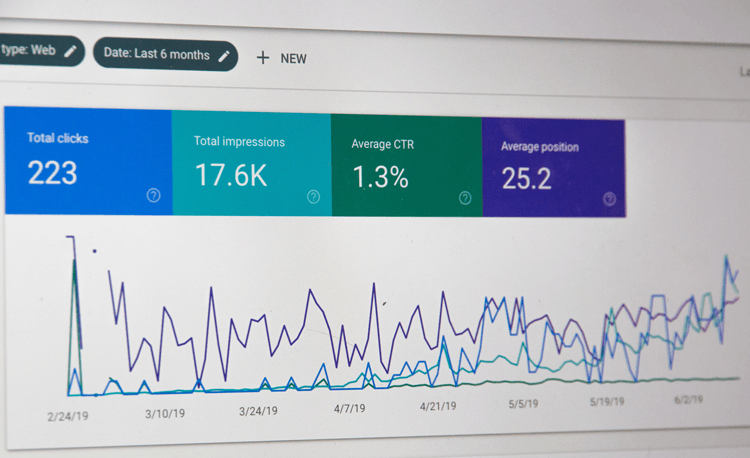
These are essential in ensuring that even the best content gets read by its intended readers, making sure your blogs not only get written but read too.
Yoast SEO
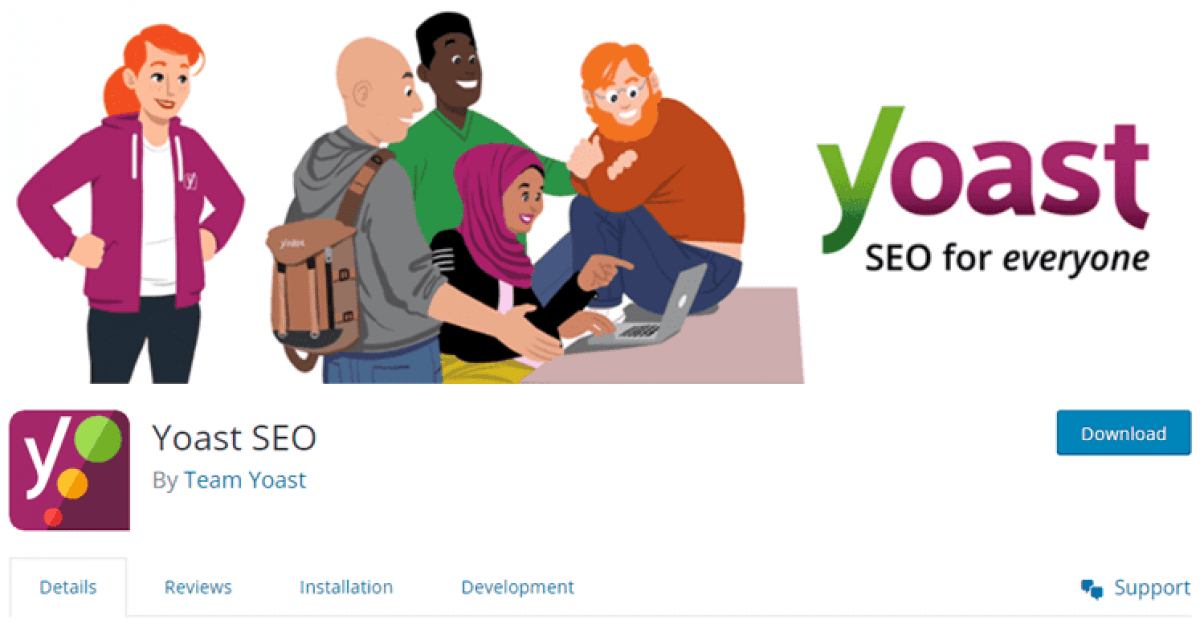
Primarily for WordPress, this tool goes beyond simply helping with keyword use. It also offers insights into readability and suggests improvements that keep readers engaged. In addition, it includes templates for meta descriptions and titles to ensure your blog is search-engine compatible.
SEMrush Writing Assistant

Imagine having access to a tool that shows you how to optimize your blog based on search engine data – that’s SEMrush for you. It provides keyword suggestions, helps integrate them into content creation, and even offers backlinking solutions, providing a roadmap straight to search results pages.
Finding great content is only half the battle; making sure it reaches your audience is another.
Read More:
👉 SEO Checklist for Small Business Websites
👉 Expert Tips for Effective Link Building Strategies: Building the Path to SEO Success
Collaboration and Feedback Tools
Just like the best research paper writing services, blogging communities thrive on feedback and collaboration; tools that facilitate this interaction are key.
Trello
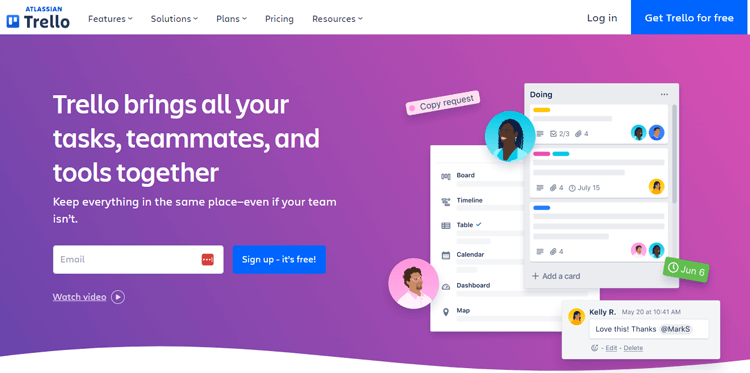
Trello’s board system can be an invaluable asset to bloggers who plan ahead. It is a go-to solution for all things organizational. It serves as an editorial calendar, guest post tracker, and milestone marker. It also integrates with tools like Google Calendar and Slack, making collaboration even smoother.
Medium
Medium is the perfect platform if you want to tap into an already established readership, with its minimalist design helping readers focus solely on your words. Plus, Medium offers incentives based on reader engagement, so even new bloggers may benefit. Network, read what others write, and improve your skills.
Slack

Communication is of utmost importance in any collaboration, and Slack channels serve as places for brainstorming, gathering feedback, or even socializing with fellow bloggers. Plus, integrations with Google Drive and Trello make Slack an all-inclusive communication platform.
At a time of rising digital content creation and diminishing barriers of entry, competition among content creators can be fierce. This makes using the right tools essential for success in digital content production. College bloggers in particular may find themselves on the frontline of this bustling environment, and having access to appropriate tools can mean the difference between success and obscurity.
The Importance of Writing Tools for Bloggers

Think of blogging like building a house: you might have the blueprint, but without the appropriate tools it can be an arduous task to turn that vision into reality. Just as using the proper tool for each function can make the blogging process seamless and enjoyable.
Let’s outline all of the benefits offered by these tools.
Efficiency and Saving Time
In college, where every second counts, these tools can be invaluable. Evernote or Notion research platforms reduce hours spent searching for information by helping researchers quickly sift through mountains of data to discover golden nuggets of insight, ensuring your content remains rich and well-informed.
Professionalism and Polished Look
Tools like Grammarly or ProWritingAid provide more than just grammar checks – they elevate your writing to ensure it resonates with readers across platforms. In an environment with plenty of options for readers to consume content, polished pieces like these stand out and draw newcomers in.
Audience Engagement and Reach
SEO tools play a crucial role in making sure that the content you carefully craft reaches its intended target audience. In a vast digital jungle, voices often get lost; with the appropriate SEO tools in your arsenal, however, yours are amplified and heard loud and clear.
Visual Appeal
We live in an age ruled by visuals. Platforms like Canva have made design more accessible than ever, ensuring your blog not only engages its readership with engaging content but is also visually attractive – this ensures optimal user experiences.
Feedback and Collaboration
Blogging, contrary to popular belief, is not a solo pursuit. Feedback and collaboration tools are integral in honing one’s craft while creating a sense of community among bloggers that enables learning from each other while sharing insights that further their growth as individuals and collectively.
Versatility and Adaptability
The digital space is constantly shifting; what may have been popular today could become irrelevant tomorrow. Being flexible requires using different tools that help you stay adaptable. This includes trying new formats or content types and adjusting to different platforms. Using these tools ensures you don’t just keep up but stay ahead.
Monetization and Analytics
Bloggers looking to turn their passion for blogging into a professional pursuit may benefit from tools that provide insights into reader behavior and preferences. These tools not only guide your content strategy but also offer monetization opportunities.
Understanding what your target audience needs helps you deliver quality services. It also helps turn casual visitors into loyal followers.
Recommended Blog For You:
👉 Facebook Pixel vs Google Analytics: The Complete Showdown
👉 The 6 Best Facebook Pixel Plugins for WordPress
👉 5 Best WooCommerce Google Analytics Plugins
Frequently Asked Questions (FAQs) on Writing Tools for Bloggers
Why are these tools ideal for student bloggers?
These tools are handpicked for student bloggers because they’re easy to use and adapt to busy routines. Tools like Evernote and Notion simplify content development.
Do these tools come without a charge, or is there a fee involved?
Many tools like Notion, Canva, and Trello provide free editions. However, some tools might require subscription fees for advanced features.
How do tools focused on SEO increase the visibility of my blog?
SEO tools like Yoast and SEMrush optimize your content for search platforms. They guide keyword incorporation and improve search rankings.
For those starting out, is Grammarly or ProWritingAid a better choice?
Both Grammarly and ProWritingAid aim to elevate the standards of your written material. While Grammarly offers immediate grammatical checks, tone guidance, and clarity suggestions, ProWritingAid gives a deeper dive with comprehensive writing feedback and stylistic advice.
Can blog writing software boost my productivity?
Yes, the best blog writing tools help organize ideas and speed up writing, letting you focus on creating great content.
How do tools for blog writing improve content quality?
They check grammar, improve readability, and optimize keywords to make your blog posts clearer and more engaging.
Conclusion
Blogging is constantly evolving, so staying updated with the best writing tools for bloggers is key to keeping your content fresh and engaging.
These specific college blogging tools were chosen with your needs in mind to make every stage from ideation to publication run more smoothly. Use them well, adapt with them as you grow with blogging, and make each word you write resonate with readers.
Ready to elevate your blogging game? Start exploring these tools today and watch your content shine!