How To Boost SMM For Your E-Commerce Business With Social Listening

Are you feeling stuck with your eCommerce account’s social media presence? Do you have an active account but feel like it isn’t growing quite as fast as you had hoped? If so, social listening may be the key to unlocking bigger success.
Social listening is the practice of monitoring conversations across platforms to understand what customers say about your brand and industry. 62% of marketers view social media listening as a primary source of valuable data.
In fact, implementing social listening for ecommerce growth has become essential for brands looking to stay competitive in today’s digital marketplace.
This article explains how to use social listening with the best outcomes. So stay tuned to learn more!
Key Takeaways
- Implement data-driven strategies to enhance overall customer shopping experience
- Grow eCommerce brands using social listening for customer understanding
- Discover top social listening tools for tracking conversations effectively
- Learn 5 proven benefits to boost eCommerce sales significantly
- Master targeted social media campaigns through valuable audience insights
- Apply actionable SMM tips to increase online store engagement
- Integrate GA4 and Facebook Pixel for powerful customer analytics
What Is Social Listening?
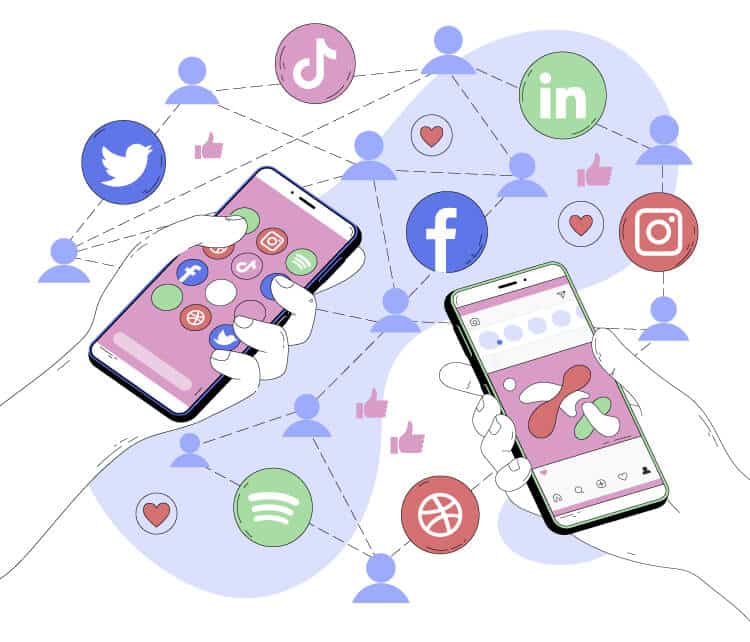
Social listening refers to monitoring and taking action on conversations that occur across digital channels. It involves using social listening tools to gain insight into what customers and prospects say about a brand, its products, competitors, or industry-related topics.
By tapping into these conversations, businesses can learn how customers feel about their offerings and engage in meaningful dialogue with them.
This invaluable practice empowers brands to build stronger relationships with their audience. Furthermore, social listening helps in developing well-informed strategies to engage them effectively across various platforms.
5 Ways Social Listening Can Benefit Your E-Commerce Account
Now, how exactly can tracking conversations and mentions across social media platforms benefit your e-commerce business? Here is a definitive guide to social listening and its benefits.
Understand Your Audience Through Customer Sentiment Analysis
Social listening is an invaluable tool for gaining insights into your e-commerce account audience and understanding how they interact with your brand.
By implementing customer sentiment analysis ecommerce strategies, you can decode the emotions behind customer feedback and make data-driven decisions.
Utilizing social listening tools to track conversations, hashtags, keywords, and topics related to your brand, you’ll gain valuable clues about the opinions and behaviors of the customers you are trying to reach.
These insights enable informed decision-making about product promotion as well as shape messaging that is more likely to resonate with your target audiences.
Understanding how to track brand mentions on social media allows you to capture every conversation about your business, ensuring no valuable feedback goes unnoticed.
Enhance Customer Service Response Time
Responding quickly to negative sentiment is another powerful advantage that social media listening brings with it. This practice enables your business to become more flexible.
Through social media conversation monitoring for sales, you can identify and address customer concerns before they escalate into bigger issues.
Proactive customer service allows you to respond efficiently whilst also controlling the situation and helps to ensure that every customer receives a satisfactory outcome.
Furthermore, this approach limits any damage caused by negative sentiment and encourages customers to remain loyal to your brand.
Studies show that brands using social listening for ecommerce growth reduce response times by up to 60%, significantly improving customer satisfaction rates.
Discover Growth Opportunities
Your business can identify opportunities for growth by uncovering customer needs that are not being met by its current offerings. Beyond informing marketing decisions, these insights can also be used to guide the development of new products and services for your e-commerce accounts.
Through ecommerce customer feedback analysis, you can spot market gaps and emerging trends before your competitors do.
Additionally, utilizing social media listening can provide insight into which channels to use to reach various types of customers. This targeted approach helps maximize your social listening ROI for online stores by focusing resources where they’ll have the most impact.
Identify the right influencers
Through a comprehensive analysis of both online conversations and other relevant metrics, you can get a better understanding of the influencers who will be the best fit for your e-commerce account. Using advanced eCommerce social media monitoring techniques, you can evaluate influencer authenticity, engagement rates, and audience alignment with your brand values.
Key factors to consider include determine which topics or keywords are being discussed most widely or look at sentiment analysis to see how users feel about particular individuals to determine who the right people are for your brand.
Therefore, leveraging social media listening tools offers a scientific approach to finding the perfect influencer for your company’s needs and goals.
Competitors’ monitoring
Use social listening tools in combination with rank checking software to keep track of what your competitors are saying, as well as how their customers are responding. This can give you insight into their strategies, including what kind of content resonates with potential customers and the overall market trend.
With this information, you can adjust your e-commerce account accordingly and improve the effectiveness of your campaigns. Keeping an eye on how exactly your competitors approach customer service issues can help you better serve your own clients.
Implementing social listening tools comparison 2025 methodologies ensures you’re using the most effective platforms for competitive intelligence.
How to Implement Social Listening for Your eCommerce Business
Before diving into advanced tips, it’s crucial to understand the basic implementation process. Here’s a step-by-step guide to get you started with social listening for ecommerce growth:
Step 1: Define Your Goals
Start by identifying what you want to achieve through social listening. Common goals include improving customer service, identifying product improvement opportunities, tracking brand health, or discovering new market segments.
Step 2: Choose Your Tools
Select appropriate social listening tools based on your budget and needs. Popular options include Hootsuite Insights, Sprout Social, Brandwatch, and Mention. Consider factors like platform coverage, analytics depth, and integration capabilities.
Step 3: Set Up Keywords and Alerts
Configure your monitoring parameters by setting up relevant keywords, including your brand name, product names, competitor brands, industry terms, and common misspellings. This ensures comprehensive ecommerce social media monitoring.
Step 4: Establish Response Protocols
Create guidelines for how your team should respond to different types of mentions, including positive feedback, complaints, questions, and crisis situations. This ensures consistent brand voice across all interactions.
Step 5: Measure and Optimize
Track key metrics like sentiment scores, response times, engagement rates, and conversion impacts. Use these insights to continuously refine your social listening strategy for maximum ROI.
6 Actionable Tips to Maximize Your Social Listening Strategy
Social listening is becoming a must-have in today’s marketing world, especially for eCommerce brands. The global market for social listening tools is expected to nearly double, from $9.61 billion in 2025 to $18.43 billion by 2030. This rapid growth highlights just how essential it is to grow your eCommerce brand with social listening.
Using the right social listening strategy for eCommerce, businesses can gain valuable customer insights. They can also shape better campaigns and boost eCommerce sales with social media.
To get the most out of social media listening, it’s important to stay focused and organized. Here are six tips to make the practice work effectively for you:
1. Use Social Listening Tools for Business Efficiency
Start by choosing the right social listening tools for business like Brandwatch, Sprout Social, or Hootsuite. These tools simplify monitoring brand mentions, competitor moves, and trending topics, essential for social media marketing for eCommerce success.
When conducting a social listening tools comparison 2025, prioritize platforms that offer real-time alerts, sentiment analysis, and comprehensive reporting features.
2. Track Social Media Analytics for eCommerce Brands
Understanding how your audience engages with your content is key to refining your marketing strategy. Use tools like HT Easy GA4 to seamlessly integrate Google Analytics 4 and track user behavior across your site.
For Facebook ad performance and pixel event tracking, Pixelavo simplifies the process of setting up and optimizing Facebook Pixel. These tools provide eCommerce customer insights from social media, helping you make data-driven decisions to improve targeting and boost conversions.
3. Shape a Targeted Social Listening Strategy for eCommerce
Set clear goals whether it’s product feedback, campaign ideas, or customer service enhancement. A well-defined social listening strategy for eCommerce helps brands focus on what really matters to their audience and grow their eCommerce brand with social listening.
Include specific KPIs such as sentiment improvement percentage, response time reduction, and conversion rate increases to measure your social listening ROI for online stores.
4. Improve eCommerce Marketing with Social Media Trends
Spot emerging trends and shifting customer needs through real-time conversations. This proactive approach lets you improve eCommerce marketing with social media, helping your business stay ahead of the competition.
Use trend analysis from your ecommerce customer feedback analysis to predict seasonal demands and adjust inventory accordingly.
5. Apply SMM Tips for Online Stores through Customer Feedback
Use reviews, mentions, and tags to uncover pain points or preferences. These SMM tips for online stores allow you to tailor campaigns, improve products, and create engaging experiences based on real eCommerce customer insights from social media.
Implement a systematic approach to categorize feedback by product, feature, or service area for more targeted improvements.
6. Integrate Social Listening with Your Overall Marketing Strategy
Don’t treat social listening as a standalone activity. Integrate insights from social media conversation monitoring for sales into your email marketing, content strategy, and product development processes. This holistic approach maximizes the value of every customer interaction across all touchpoints.
Frequently Asked Questions
How can I find what customers are saying about my brand online?
Use social listening tools for business to monitor mentions, reviews, and conversations across platforms. Start by learning how to track brand mentions on social media using free tools like Google Alerts, then scale up to professional platforms as your needs grow.
What should I track to improve social media marketing for eCommerce?
Focus on customer sentiment, trending keywords, and competitor activity to shape better campaigns. Additionally, monitor purchase intent signals and product-specific feedback to optimize your social listening for ecommerce growth.
Which tools help with Google Analytics and Facebook Pixel tracking?
Plugins like HT Easy GA4 and Pixelavo help you track user behavior and conversions accurately. These tools are essential for connecting your ecommerce social media monitoring efforts with actual sales data.
How do I know if my social media campaigns are working?
Track performance using social media analytics for eCommerce brands to evaluate engagement, reach, and ROI. Key metrics include sentiment score improvements, an increase in positive mentions, and a correlation between social engagement and sales conversions.
Can social listening influence product development?
Yes, insights from customer feedback can inspire new features or products that align with real needs. Through systematic ecommerce customer feedback analysis, many brands have successfully launched products with 40% higher adoption rates.
How do I make social listening part of my eCommerce strategy?
Set up a consistent social listening strategy for eCommerce and analyze data regularly to optimize results. Dedicate at least 30 minutes daily to reviewing insights and creating monthly reports to track your social listening ROI for online stores.
Final Thoughts
To sum it up, social listening can be a huge boost to your SMM efforts. While it might seem like a daunting task at first, with the right tools and strategy tips, you can effectively use it to enhance the social media presence of your eCommerce account.
When brands implement comprehensive ecommerce social media monitoring and customer sentiment analysis ecommerce strategies, they typically see a 25-40% improvement in customer satisfaction scores within the first six months.
Start using social listening today to boost engagement, drive conversions, and grow your eCommerce brand with confidence!
Remember, successful social listening for ecommerce growth is not just about monitoring, it’s about taking action on the insights you discover to create meaningful connections with your customers.